




How to Choose the Right Scissors for Everyday Life: A Practical Guide
Scissors are one of those humble household tools we often take for granted—until we try to cut something and end up wrestling with a dull, flimsy pair. Whether you're opening packages, trimming hair, or cutting fabric for a DIY project, having the right scissors makes all the difference. With so many options on the market, choosing the perfect pair for your needs can be overwhelming. Here’s a comprehensive guide to help you pick the best scissors for everyday life.
1. Identify Your Primary Use
The first step is to determine what you’ll be cutting most often. Different tasks require different blades:
- General Household Use: For cutting paper, tape, or opening packages, a pair of medium-length (6-8 inches) stainless steel scissors with a classic straight blade works well.
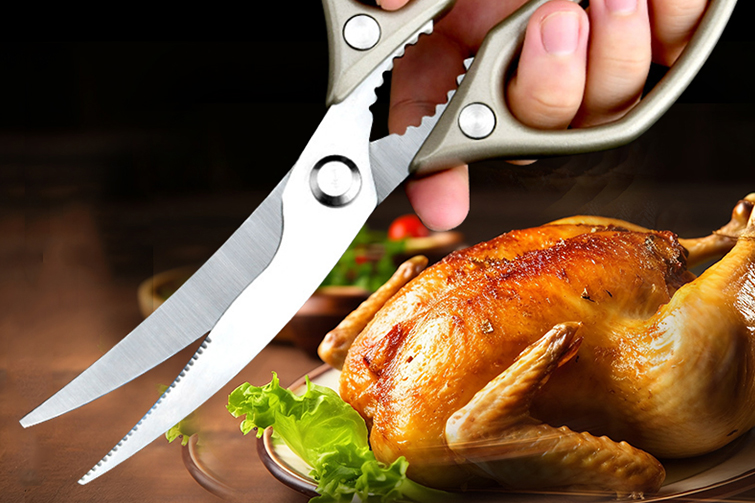
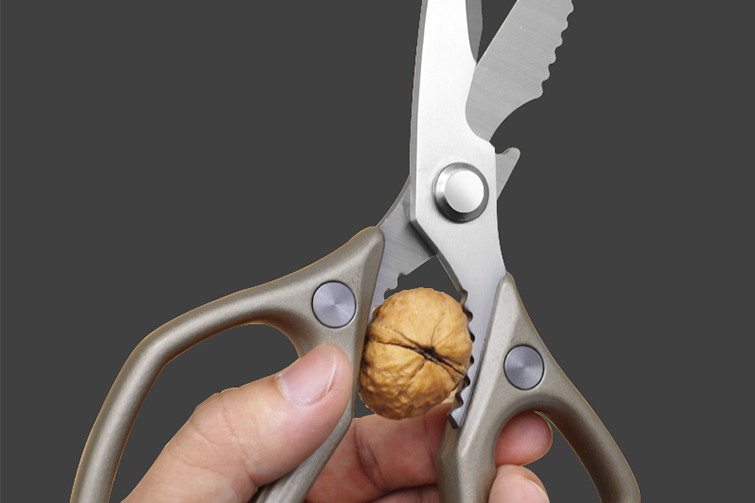
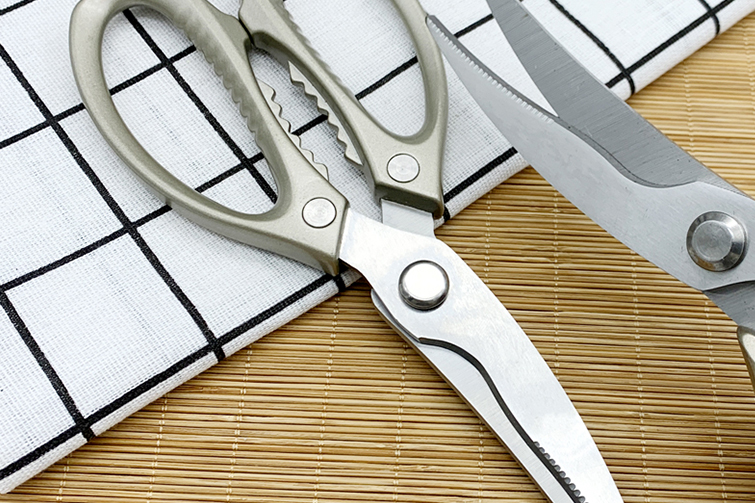
- Kitchen Scissors: If you need scissors for food prep (like snipping herbs or cutting poultry), look for kitchen shears. They should be durable, rust-resistant, and often feature a detachable blade for easy cleaning.
- Fabric Scissors: For sewing or crafting, invest in dressmaker shears. These have long, sharp blades designed to cut fabric smoothly without fraying.
- Hair Cutting: If you plan to cut hair at home, never use paper scissors. Opt for professional hair-cutting shears with slightly curved blades for precision.
- Heavy-Duty Cutting: For tough materials like cardboard, plastic, or carpet, choose heavy-duty scissors with serrated blades or titanium coatings for extra grip and durability.
2. Check the Blade Material
The blade material determines sharpness, longevity, and rust resistance:
- Stainless Steel: The most common choice—rust-resistant and holds an edge well. Great for all-purpose use.
- High-Carbon Steel: Stays sharper longer but can rust if not dried properly. Ideal for fabric or precision cutting.
- Titanium-Coated Blades: Harder and more durable, these resist corrosion and stay sharp longer. They’re also non-stick, making them perfect for cutting tape or adhesive materials.
- Ceramic Blades: Lightweight and extremely sharp, ceramic blades are rust-proof and great for cutting thread or delicate materials. However, they can chip if dropped.
3. Evaluate the Handle Design
Comfort is key, especially if you’ll be using the scissors for extended periods:
- Ergonomic Handles: Look for soft-grip, non-slip handles with a contoured design that fits your hand naturally. Some are designed specifically for left-handed users, with reversed blades for a cleaner cut.
- Finger Rest: A larger lower loop or an extra finger rest provides better control and reduces hand fatigue.
- Spring-Loaded Handles: These are great for people with arthritis or limited hand strength, as they automatically open the blades after each cut.
4. Consider Blade Type and Length
- Straight Blades: Ideal for general cutting and straight lines.
- Serrated Blades: Useful for gripping slippery materials like plastic or silk.
- Micro-Serrated Edges: These provide extra grip without snagging, making them great for multi-purpose use.
- Blade Length: Longer blades (8-10 inches) are better for cutting large sheets of fabric or paper, while shorter blades (4-6 inches) offer more control for detailed work.
5. Test the Tension and Action
Before buying, if possible, test the scissors:
- The blades should open and close smoothly without wobbling.
- The screw or rivet holding the blades together should be tight but not stiff.
- A well-adjusted tension ensures clean cuts without stripping the material.
6. Look for Safety Features
If you have children at home, or if you'll be carrying scissors in a bag or drawer:
- Choose scissors with a protective blade cover or a safety lock.
- Rounded-tip scissors are safer for kids or for use in craft rooms.
7. Read Reviews and Consider Brands
Established brands often provide better quality control and sharper edges out of the box. However, don’t overlook lesser-known brands if they have solid reviews. Look for feedback on sharpness, durability, and comfort.
8. Maintenance Matters
Even the best scissors need care:
- Keep them clean and dry, especially after cutting sticky or wet materials.
- Occasionally wipe the blades with a soft cloth and a drop of oil at the pivot point.
- Never use good fabric scissors on paper—it dulls them quickly.
- Sharpen them when needed using a sharpening stone or professional service.
Final Thoughts
A good pair of scissors is an investment in convenience and precision. By considering your primary use, blade material, handle comfort, and overall quality, you can find the perfect tool for your daily tasks. Whether you're a home chef, a crafter, or just someone who hates struggling with packages, the right scissors will make your life a little easier—and your cuts a lot cleaner.